
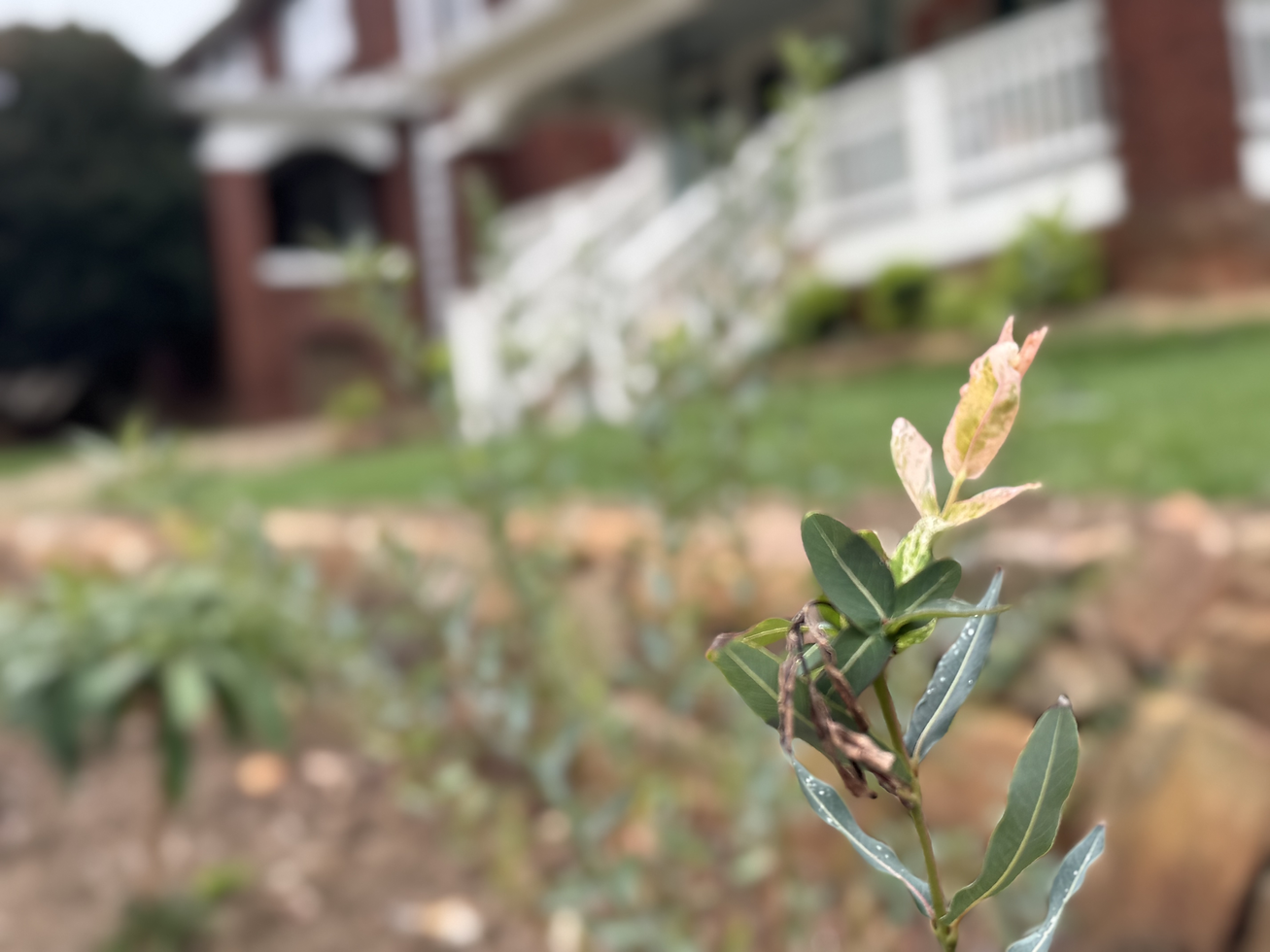
Waking up in the Mountains!
Updated: May 28, 2025
Western North Carolina, with its dramatic elevation changes and unique microclimates, offers a special challenge and reward for gardeners. Early spring here isn't a simple calendar date; it's a gradual unfolding of warmer days and thawing soil. Understanding this rhythm is key to successful planting. So, let's talk about how to get your hands dirty and your garden growing during those precious early spring weeks.
When Does "Early Spring" Really Start?
Forget the calendar. In WNC, early spring is more about observation. Keep an eye on:
* Soil Temperature: The most crucial factor! Soil should be workable and consistently above 40°F (ideally closer to 50°F for many plants). A soil thermometer is your best friend.
* Last Frost Date: While it varies by elevation, late April to mid-May is a general guideline. However, microclimates can shift this significantly. Pay attention to local forecasts.
* Bud Break: When trees and shrubs start showing new growth, it's a sign nature is waking!
What to Plant Now:
Early spring in WNC is prime time for cool-season crops. Here's a breakdown:
* Direct Sow:
* Leafy Greens: Lettuce, spinach, kale, arugula, and Swiss chard thrive in cooler temperatures.
* Root Vegetables: Carrots, radishes, beets, and turnips can be sown directly into the ground.
* Peas: Both snap peas and shelling peas love the cool weather.
* Onions and Garlic: If you didn't plant garlic in the fall, you can plant sets now. Onions sets can also go in the ground.
* Start Indoors (or Purchase Transplants):
* Broccoli, Cauliflower, and Cabbage: These brassicas benefit from a head start.
* Herbs: Parsley, cilantro, and dill can be started indoors or purchased as transplants.
* Flowers: Pansies, violas, and primroses add a splash of color and tolerate cooler temperatures.
Preparing Your Garden Beds:
* Clean Up: Remove any debris, weeds, or leftover plant material from last season.
* Soil Amendment: Add compost or aged manure to enrich the soil and improve drainage. WNC's clay-heavy soils benefit greatly from organic matter.
* Soil Testing: If you haven't done so recently, test your soil's pH and nutrient levels. This will help you determine what amendments are needed.
* Raised Beds: Consider raised beds, especially if your soil is poorly drained. They warm up faster in the spring.
Tips for Success:
* Row Covers: Protect your seedlings from late frosts and hungry pests with row covers.
* Mulching: Mulch helps retain moisture, suppress weeds, and regulate soil temperature.
* Watering: Early spring can be dry. Water your seedlings and transplants regularly, especially during sunny days.
* Local Resources: Connect with local nurseries, extension offices, and gardening clubs for region-specific advice. They have the most accurate and up to date information for your area.
* Embrace the Microclimates: Remember, elevation plays a huge role. What works in Asheville might not work in Brevard. Get to know your specific microclimate.
A Word About Elevation:
Western North Carolina's elevation changes create a patchwork of microclimates. Higher elevations will experience later springs and cooler temperatures. If you're gardening in the mountains, be extra vigilant about frost forecasts and adapt your planting schedule accordingly.
Early spring in WNC is a time of anticipation and renewal. By paying attention to the signs of nature and preparing your garden beds properly, you can enjoy a bountiful harvest throughout the season. Happy planting!


Comments